100 Grams – Things That Weigh 100g
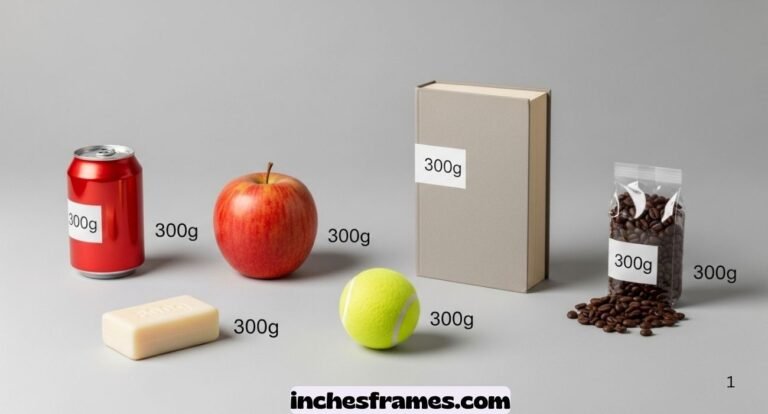
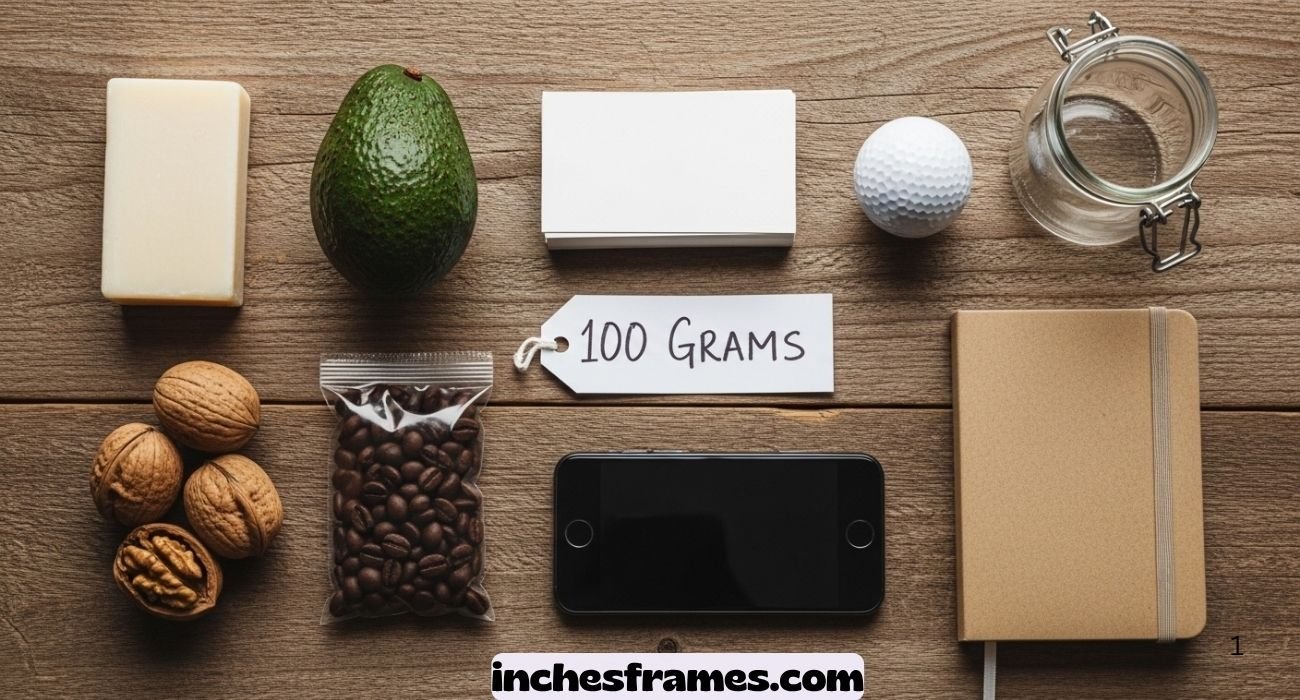
100 grams is a unit of weight. It is equal to one tenth of a kilogram. It is used to measure small items like food, coins, and household objects.
Imagine holding a medium apple or a stick of butter in your hand. These everyday items weigh about 100 grams. Knowing this makes measuring and comparing things easy and fun.
How heavy 100 grams feels is light but noticeable. It is the weight of two eggs, a chocolate bar, or a deck of cards. Understanding it helps in cooking, school projects, and daily life.
100 Grams in Different Units
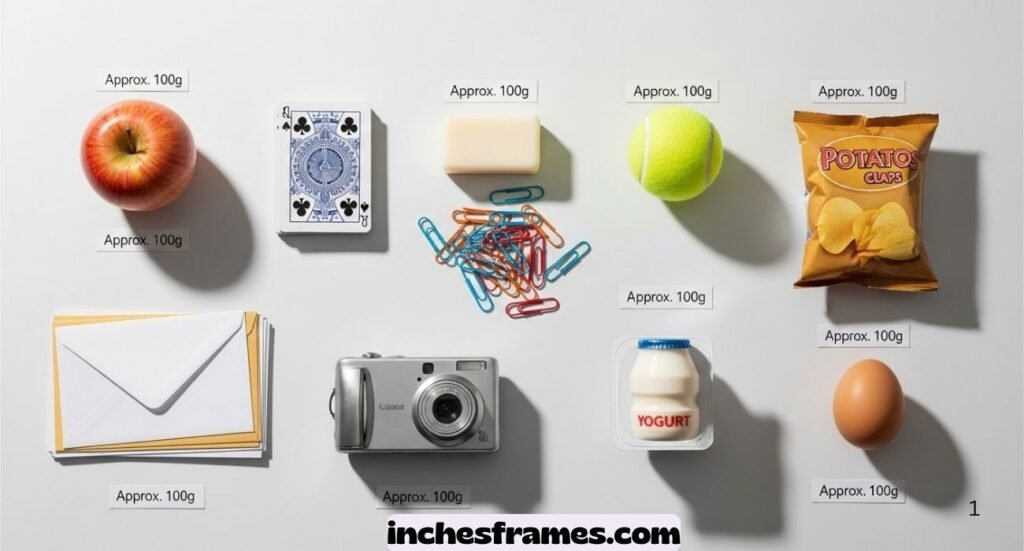
To fully understand 100 grams, it’s helpful to see how it translates into units more familiar in the USA. 100 grams in ounces is approximately 3.53 ounces, and 100 grams in pounds is roughly 0.22 pounds. For metric conversions, 100 grams in kilograms equals 0.1 kg, while 100 grams in milliliters varies depending on the density of the substance but is often roughly equivalent to 100 ml for water-based liquids. Visualizing these conversions can make it easier to relate 100 grams examples to objects you encounter daily.
Quick 100-Gram Reference Table
Here’s a handy table showing items weighing 100 grams so you can quickly compare and visualize things that weigh 100 grams:
| Item | Approximate Weight (grams) | Notes |
| Medium Apple | 100g | Medium apple weight |
| Bar of Soap | 100g | Standard household soap |
| Stick of Butter | 100g | Stick of butter weight |
| 20 US Nickels | 100g | 20 US nickels weight |
| Chocolate Bar | 100g | Standard chocolate bar 100g |
| Four AA Batteries | 100g | Four AA batteries weight |
| Deck of Playing Cards | 100g | Deck of cards weight |
| Two Medium Eggs | 100g | Two medium eggs weight |
| 100 Paperclips | 100g | Office supplies reference |
| Half Cup Sugar | 100g | Half cup sugar weight |
This table is a simple way to start visualizing 100 grams in everyday life.
20 Common Things That Weigh 100 Grams
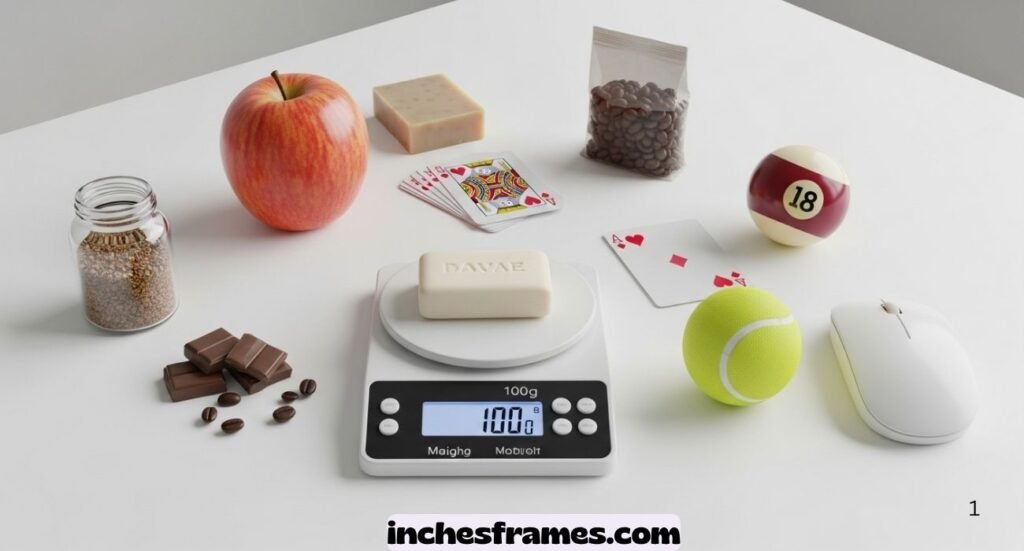
To better understand things that weigh 100 grams, it helps to think in terms of common items. These examples allow you to see how small but tangible food portion size 100g really is.
A Medium-Sized Apple
A medium apple typically weighs around 100 grams, making it a perfect example of food portion size 100g. It’s easy to find in the USA, whether in grocery stores, farmers’ markets, or home kitchens, giving a reliable reference for 100 grams examples.
Apples provide not just weight comparison but also nutritional value. A medium apple contains vitamins, fiber, and natural sugars. When you hold one in your hand, it becomes easy to visualize 100 grams, helping with diet tracking and portion estimation in everyday life.
For recipes, knowing a medium apple weight helps convert ingredients accurately. For example, two medium apples roughly equal 200 grams, which can be important for baking or making fruit salads. Apples remain a simple, healthy reference for items weighing 100 grams.
A Standard Bar of Soap
Most commercial bars of soap in the USA weigh around 100 grams. Using a bar of soap is a tactile way to understand 100 grams comparison, as it provides a sturdy, non-food item for everyday visual reference.
Soap bars vary slightly by brand, but the weight remains close to 100 grams. This makes them useful as household items 100g for visualizing weight, especially in educational or kitchen scenarios where precision matters without a scale.
If you are curious about things that weigh 100 grams, picking up a bar of soap is an easy, practical demonstration. It helps bridge abstract measurements into concrete, visualizing 100 grams for adults and children alike.
A Stick of Butter
A single stick of butter in the USA weighs about 113 grams, but slightly less than that approximates 100 grams. Butter sticks are perfect for food portion size 100g estimation, especially in baking where precise measurements matter.
Knowing a stick of butter weight helps home cooks convert recipes easily. Half a stick is roughly 50 grams, and a full stick is just above 100 grams. Visualizing this can simplify 100 grams examples in the kitchen.
Butter also demonstrates density. Despite its small size, a stick feels heavier than fruits or vegetables. This helps you visualize 100 grams comparison effectively, showing how weight varies with volume across different types of household items 100g.
20 US Nickels (or 40 US Pennies)
Coins are a fascinating way to measure items weighing 100 grams. Twenty nickels collectively weigh roughly 100 grams, providing a fun, interactive method to visualize weight without a scale.
Counting coins gives an immediate sense of how much 100 grams is. Twenty nickels or forty pennies create a stack of tangible weight, making visualizing 100 grams practical for classrooms, experiments, or casual learning.
Using coins highlights differences in density. Metals feel heavy, so you can appreciate 100 grams in pounds compared to food items or lighter objects. Coins make 100 grams examples more engaging and memorable.
A Standard Chocolate Bar
Many chocolate bars in the USA are close to 100 grams, making them excellent references for things that weigh 100 grams. Chocolate bars are familiar, easy to buy, and perfect for visual comparison in everyday settings.
A standard chocolate bar weighs exactly around 100 grams, which simplifies food portion size 100g estimates. For example, if a recipe calls for 100 grams of chocolate, one bar is enough, reducing the need for scales.
Chocolate’s compact size highlights 100 grams comparison with larger objects. It demonstrates how dense foods can weigh significantly even in small packages. Using chocolate bars as 100 grams examples makes estimation practical and enjoyable.
Four AA Batteries
AA batteries are surprisingly heavy when grouped. Four AA batteries weigh about 100 grams, giving a real-world reference for household items 100g beyond food. This example helps visualize weight in daily electronics.
Knowing four AA batteries weight helps in estimating loads for devices or packages. It’s a practical example of things that weigh 100 grams in non-edible forms, useful for packing or teaching measurements.
Batteries also demonstrate density differences. Despite small size, metal content increases weight, making 100 grams comparison visually obvious when compared with fruits or paper items. They are excellent 100 grams examples.
A Deck of Playing Cards
A full deck of playing cards weighs approximately 100 grams. This is a great example of items weighing 100 grams that is both familiar and non-food based, ideal for visual reference at home or school.
The deck of cards weight makes it easy to visualize 100 grams comparison. Holding a deck in your hand gives a clear sense of how heavy 100 grams feels in a compact object.
Decks are also handy in practical situations. You can use them as a makeshift weight for balancing or estimating lighter items. This is a classic 100 grams example of common household items.
Two Medium-Sized Eggs
Two medium eggs together weigh around 100 grams, making them a familiar food reference. Using eggs demonstrates food portion size 100g in an everyday kitchen setting. Eggs also provide protein and nutrition while serving as a weight reference.
Knowing two medium eggs weight is useful for recipes and diet tracking. Many recipes list ingredients in grams, so visualizing eggs simplifies cooking without a scale. 100 grams examples become tangible with this method.
Eggs vary slightly, but the weight remains close enough for estimation. Using them helps in visualizing 100 grams comparison, especially for children learning weights or adults practicing portion control.
100 Paperclips
Small office items like 100 paperclips weigh roughly 100 grams. This makes them a practical household items 100g reference outside of food, showing that weight can be spread across many tiny objects.
Counting 100 paperclips helps illustrate 100 grams examples in a classroom or home office. This teaches measurement and estimation skills in a tangible way without scales.
Paperclips highlight the idea of distribution of weight. Even lightweight items collectively reach 100 grams. This provides a clear 100 grams comparison with foods or other compact objects.
A Small Smartphone or Computer Mouse
Small electronics often weigh around 100 grams. Older smartphones or compact computer mice make excellent items weighing 100 grams, combining familiarity with practical reference.
Knowing small smartphone weight or mouse weight aids in visualizing 100 grams. Holding the object gives a hands-on sense of what 100 grams feels like, enhancing everyday estimations.
Electronics show that weight isn’t always proportional to size. A small, dense object can weigh as much as a fruit or paper item, offering useful 100 grams examples in non-food contexts.
A Medium-Sized Banana
A medium banana weighs about 100 grams, serving as a natural food reference for things that weigh 100 grams. Bananas are common in USA households and ideal for dietary portion visualization.
Knowing medium banana weight helps in estimating calories and food portion size 100g for recipes like smoothies, fruit salads, or breakfast servings.
Bananas demonstrate how familiar fruits help visualize 100 grams comparison. They are convenient, healthy examples of 100 grams examples, reinforcing practical estimation skills for food and nutrition.
Half a Cup of Sugar or Salt
Half a cup of sugar or salt weighs roughly 100 grams, providing a kitchen-based example of items weighing 100 grams. Dry ingredients are perfect for hands-on cooking measurement.
Knowing half cup sugar weight allows accurate portioning in baking or cooking. It’s a clear example of food portion size 100g, especially when scales aren’t available.
This example also helps visualize 100 grams using volume rather than weight. Understanding that half a cup roughly equals 100 grams bridges everyday cooking and metric conversions.
A Small Yogurt Cup
A small yogurt cup typically weighs around 100 grams. This makes it a simple and familiar food portion size 100g reference for kids and adults alike. Yogurt is widely available in the USA, making estimation practical.
Knowing the weight of a single yogurt cup helps in meal planning or portion control. Using it as a visual cue allows visualizing 100 grams without a scale. This is especially useful in nutrition tracking.
Yogurt cups also help demonstrate density differences. While the size is small, the weight reaches 100 grams easily. These are reliable 100 grams examples in everyday household contexts.
A Slice of Bread
A standard slice of bread weighs about 100 grams when thickly cut, making it a good food portion size 100g reference. Bread is common in kitchens and easy to use for weight estimation.
Knowing a slice’s weight helps in diet planning. A slice of whole wheat or sandwich bread can be used to approximate 100 grams examples, helping track calories and portion size.
Bread shows how fluffy items can weigh differently than dense items. It provides a practical 100 grams comparison for meals, sandwiches, or baking measurements.
A Small Potato
A medium potato is roughly 100 grams, providing a familiar food portion size 100g reference. Potatoes are versatile, widely consumed in the USA, and simple for visualizing things that weigh 100 grams.
Using a potato to estimate 100 grams examples is effective because of its compact size and weight. This method is helpful in cooking or meal preparation without a scale.
Potatoes illustrate how vegetable density affects weight. Even a small potato can weigh as much as multiple fruits. This aids in visualizing 100 grams comparison between foods.
A Slice of Cheese
A thick slice of hard cheese can weigh around 100 grams. This makes it an ideal food portion size 100g reference for snacks, sandwiches, or recipes in home kitchens.
Knowing items weighing 100 grams like cheese helps in meal planning and calorie tracking. Cheese is dense, making 100 grams comparison visually smaller than fruits or vegetables of the same weight.
Cheese slices show that size can be misleading. While it looks small, its weight is significant, offering practical 100 grams examples for cooking or diet estimation.
A Cup of Cooked Rice
One cup of cooked rice weighs approximately 100 grams, making it a staple food portion size 100g reference in kitchens worldwide, including the USA. Rice is versatile and easy to measure for recipes.
Knowing 100 grams examples like rice helps in meal prep and portion estimation. Cooked rice is dense and compact, making it simple to visualize 100 grams without scales.
Rice demonstrates how bulk and density vary. Despite occupying more volume, one cup still equals roughly 100 grams. This provides practical 100 grams comparison for grains and starches.
A Small Tomato
A medium tomato weighs roughly 100 grams, offering an easy-to-use food portion size 100g reference. Tomatoes are ubiquitous in American kitchens, making them ideal for things that weigh 100 grams visualization.
Using a tomato as a reference allows estimation of vegetables in cooking or salads. It’s a simple way to understand 100 grams examples in everyday meals.
Tomatoes illustrate how juicy fruits differ from dense items. Though light and soft, a medium tomato reliably approximates 100 grams comparison, helping with both nutrition and visual estimation.
A Small Can of Beans
A small 100-gram can of beans serves as a food portion size 100g reference, particularly in recipes. Canned foods are common in the USA, providing easy access for measurement without scales.
Cans of beans allow visualizing 100 grams in a compact, familiar container. This is practical for cooking, meal planning, or comparing items weighing 100 grams in households.
The can’s weight demonstrates how packaging adds to item density. It’s another practical 100 grams example that blends familiarity with convenience for measurement purposes.
A Small Chocolate Box
A small box of chocolates weighs about 100 grams. This provides a fun items weighing 100 grams reference for snacks, gifts, or visual comparison in daily life.
Using chocolates to estimate 100 grams examples is engaging. A single box often approximates 100 grams, making it simple to visualize 100 grams without a scale or measurement tools.
Chocolates show how dense, sugary items can occupy little space but reach 100 grams. This is a perfect 100 grams comparison for sweet treats or compact foods.
See Also : 1 Gram – Things with Pic That Weigh 1g
How to Measure 100 Grams Without a Scale
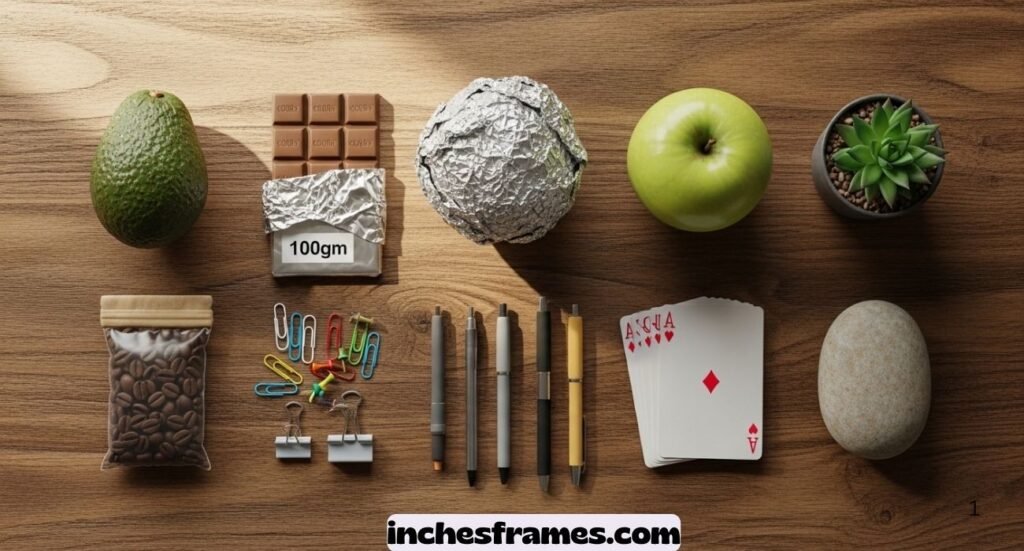
Sometimes you don’t have a kitchen or postal scale, but you still need to measure 100 grams. Fortunately, there are clever ways to estimate measuring 100 grams without scale.
Using Coins for Measurement
As mentioned, twenty US nickels weigh approximately 100 grams. By stacking or counting coins, you can quickly measure objects or ingredients in a pinch.
Using Measuring Cups and Spoons
Dry and liquid ingredients can be converted. For example, half a cup of sugar weight is about 100 grams. This method works well for common cooking ingredients and food portion size 100g.
Using Known Food Items
Familiar items like a medium apple weight, stick of butter weight, or standard chocolate bar 100g are easy visual references for 100 grams examples. Simply compare other ingredients or items to these known objects.
Estimating with Your Hand
Your hand can be a surprisingly useful tool. A palm-sized portion of cheese or fruit is often close to 100 grams. This is helpful for quick estimation and visualizing 100 grams without any tools.
Visualizing 100 Grams with Fruits
Fruits are one of the easiest ways to visualize 100 grams. A medium apple, a banana, or a small pear roughly weigh 100 grams. Using fruits as references makes portion control simple for cooking, baking, or diet planning, helping you understand food portion size 100g without needing a scale in the kitchen.
Fruits also vary in density and size, but estimating 100 grams examples with them is practical. For example, two small clementines might weigh the same as one medium apple. Using fruits provides a healthy, tactile, and familiar way to understand 100 grams for daily meals or snacks.
Everyday Kitchen Items That Weigh 100 Grams
Common kitchen items like a stick of butter, half a cup of sugar, or a standard chocolate bar are perfect items weighing 100 grams. These examples help home cooks measure ingredients accurately, even without scales, making cooking more precise and understanding food portion size 100g easier in everyday meal preparation.
These items also provide 100 grams comparison with other foods. For instance, a stick of butter is denser than a medium apple, helping visualize differences in weight versus volume. Using these items strengthens practical skills in measuring 100 grams without scale and planning daily recipes effectively.
Office Supplies as 100 Gram References
Everyday office items like 100 paperclips, a deck of playing cards, or four AA batteries can serve as household items 100g references. These examples help visualize weight in a non-food context, making 100 grams examples relatable beyond cooking and nutrition.
Using office items also demonstrates how weight distributes across multiple small objects. For instance, 100 paperclips together feel heavier than expected. These items allow you to visualize 100 grams comparison, teaching estimation skills for work or home without relying on digital scales.
Coins and Small Change: A Weight Guide
Coins provide a fun and practical way to understand items weighing 100 grams. Twenty US nickels or forty pennies weigh roughly 100 grams. This makes coins a tangible, visual reference for visualizing 100 grams, perfect for children, educators, or anyone curious about metric conversions in daily life.
Counting coins also illustrates density. Despite small size, metals are heavy, helping you understand 100 grams comparison between compact and larger objects. Using coins bridges abstract numbers and real-life examples, enhancing your ability to estimate 100 grams examples in both educational and practical scenarios.
Small Electronics and Gadgets
Small electronics like smartphones or computer mice often weigh close to 100 grams. These items serve as excellent 100 grams examples, combining everyday familiarity with practical visualization. Comparing electronics with fruits or office items helps you understand food portion size 100g and non-food references alike.
Electronics demonstrate how size does not always equal weight. A tiny gadget can be as heavy as a medium apple. This helps you visualize 100 grams intuitively, giving real-world context to things that weigh 100 grams and improving everyday estimation skills.
See Also : iPhone Wallpaper Size Dimensions: Modern Wallpaper (2026)
Baking Ingredients as a Reference
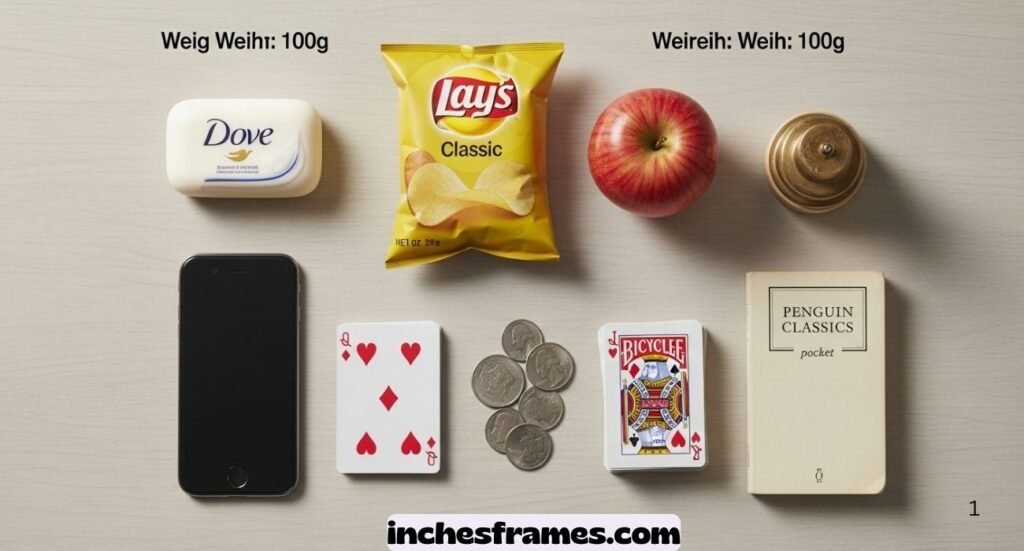
Baking ingredients such as sugar, salt, or flour provide excellent ways to estimate 100 grams in milliliters and grams. Half a cup of sugar weighs about 100 grams, making it easy to follow recipes accurately and understand food portion size 100g in everyday cooking.
Measuring dry ingredients also demonstrates density and volume differences. A half-cup of sugar weighs the same as 100 grams of chopped vegetables by weight, but the volume is different. These examples make 100 grams comparison intuitive for anyone preparing food at home.
Snacks and Treats to Measure 100 Grams
A standard chocolate bar or a handful of nuts can help you quickly understand 100 grams examples. These items are convenient, familiar, and useful for visualizing food portion size 100g, especially for diet tracking or snacking without a scale.
Snacks also provide a tactile sense of weight. Holding one chocolate bar or a small handful of almonds demonstrates visualizing 100 grams, helping with practical comparisons between different types of foods. It’s a simple way to connect numbers to real-world items weighing 100 grams.
Eggs and Dairy Products as Weight Examples
Two medium eggs weigh about 100 grams, providing a familiar reference for food portion size 100g. Similarly, a small yogurt container or a stick of butter can serve as practical 100 grams examples, useful for cooking, baking, or portion control.
These items also help understand weight density. For instance, a stick of butter feels heavier than two eggs, although they are close in weight. This comparison improves your ability to visualize 100 grams comparison across different foods and household items.
FAQs
What weighs 100g to calibrate scales?
A standard chocolate bar, a stick of butter, or 20 US nickels can be used to calibrate scales.
How can I visualize 100 grams?
Think of a medium apple, two eggs, or a deck of playing cards as easy visual references.
What can I use for 100g weight?
Coins, fruits, chocolate bars, butter sticks, or small office items like paperclips work well.
How much do 100 grams feel like?
It feels light but tangible, roughly the weight of a medium apple or a small chocolate bar.
Conclusion
In everyday life, knowing how heavy 100 grams is helps us understand food, coins, and small objects. A medium apple, a stick of butter, or a chocolate bar all weigh about 100 grams. Using these examples makes it easier to see and feel the weight. Children can learn to measure food portions or compare small items without a scale. Visual references like coins, eggs, or paperclips show the same weight in different ways.
Understanding how heavy 100 grams helps with cooking, school projects, and simple daily tasks. It teaches us to compare weights and estimate measurements. Seeing, holding, and comparing items gives a clear idea of 100 grams. Everyone can use these examples to practice and learn about weight easily.